
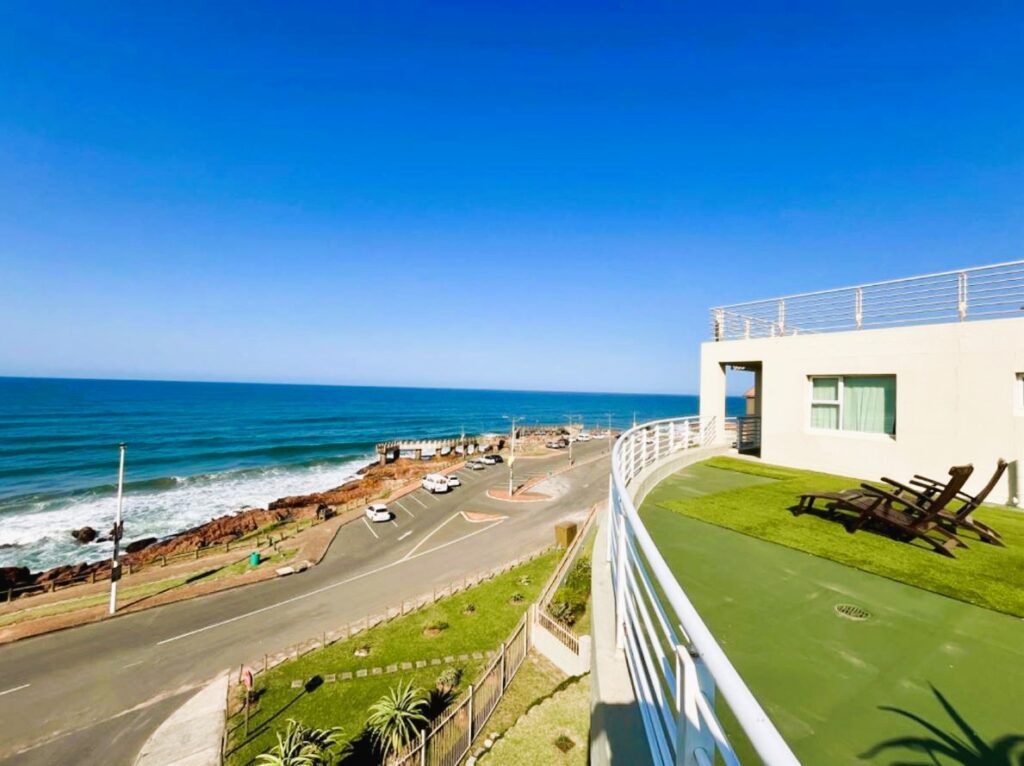
As South Africa enters 2026, its property market is displaying balanced growth, evolving consumer preferences, and emerging investment opportunities. From urban residential hubs to lifestyle and coastal destinations, the market is adapting to new economic realities, technological integration, and shifting demographics.
One of the most notable shifts is happening on the KwaZulu-Natal South Coast, where holiday homes and rental properties are emerging as a prime area for investment, driven by lifestyle demand, tourism growth, and digital accessibility. This article provides a comprehensive industry overview, highlights key trends, and offers insights for investors, buyers, and property professionals.
A Balanced Market: What 2026 Holds
After a strong rebound in 2025, South Africa’s property market is entering a phase of measured, sustainable growth. While certain metro areas experienced accelerated house price growth, the current market is more consumer-centered, providing opportunities for first-time buyers, seasoned investors, and developers alike.
Key factors shaping the 2026 property market include:
- Moderate house price growth: Prices continue to increase but at a manageable pace, making entry points more accessible.
- Increased first-time buyer activity: Interest rates, government schemes, and financing options are supporting new entrants.
- Shift toward lifestyle and coastal properties: Buyers are prioritizing quality of life, proximity to the sea, and amenities, creating hotspots for investment beyond traditional urban nodes.
Residential Property Trends
1. Sustainable Growth Across Segments
In 2026, residential property growth is expected to be steady rather than explosive. Mid-range and coastal properties are particularly attractive to first-time buyers and investors seeking long-term value.
Opportunities include:
- Suburban family homes with access to schools and amenities
- Sectional title units in urban nodes for young professionals
- Coastal and lifestyle properties for both personal use and rental income
2. Rentvesting and Hybrid Living
A growing trend among younger buyers is rentvesting — purchasing a property in a more affordable area while renting closer to work or lifestyle hubs. Hybrid work arrangements continue to influence demand, especially for homes that offer both work-friendly spaces and leisure options.
This trend is also creating higher rental demand in suburban and coastal towns, offering investors reliable rental yields.
KwaZulu-Natal South Coast: Emerging as a Lifestyle and Investment Hub
One of the most dynamic shifts in 2026 is happening along the KZN South Coast, where holiday homes and rental properties are increasingly attracting local and international investors.
Why the South Coast is Gaining Momentum
- Lifestyle Appeal: The region offers golden beaches, Blue Flag-certified swimming areas, scenic hiking trails, and family-friendly attractions. Areas like Margate, Uvongo, and Ballito are particularly popular.
- Tourism-Driven Rental Demand: Short-term rentals and holiday homes are in high demand due to both domestic and international tourism, providing investors with attractive seasonal yields.
- Accessibility and Infrastructure: Improvements in transport links, amenities, and local services enhance property desirability and convenience.
- Work-from-Holiday Trend: Professionals increasingly combine remote work with holiday environments, boosting demand for coastal properties suitable for hybrid living.
Investors are advised to consider holiday homes that double as rental income properties, especially in towns with strong tourist inflow, amenities, and local attractions.
Residential Hotspots Along the South Coast
- Margate: Offers a balance of family homes, holiday rentals, and leisure amenities.
- Uvongo: Known for calm beaches and secure complexes, ideal for both lifestyle and rental purposes.
- Banana Beach: Emerging as a quieter alternative with strong potential for long-term appreciation.
This region’s combination of natural beauty, lifestyle appeal, and investment potential positions it as one of South Africa’s most promising coastal markets in 2026.
Urban Residential Trends
Sectional Titles and Apartments
Urban buyers are increasingly favoring compact, well-located apartments and sectional titles with modern amenities. These are particularly appealing to young professionals, small families, and investors targeting rental markets.
Drivers include:
- Proximity to employment hubs
- Easy maintenance and security
- Flexibility for rental or resale
Suburban Family Homes
Demand for traditional suburban homes remains strong, especially in metros with reliable schools, infrastructure, and transport. These homes appeal to families seeking space, safety, and long-term growth.
Commercial and Industrial Property Trends
Industrial Property
Industrial real estate continues to thrive, driven by:
- E-commerce expansion
- Logistics and distribution needs
- Limited availability near major transport routes
Industrial assets near Gauteng, Durban, and Cape Town corridors remain attractive for long-term investors.
Office Spaces
The office market is recovering but with new expectations:
- Hybrid-work ready spaces
- Energy-efficient buildings
- Smaller, functional floor plates
Tenants prioritize quality and flexibility over sheer size, creating opportunities for developers and landlords who adapt to these needs.
Retail Evolution
Retail properties are evolving to cater to experience-oriented consumers, with neighbourhood centres, mixed-use developments, and convenience retail outperforming traditional malls.
Technology and Market Transformation
Technology is increasingly influencing property markets:
- AI-assisted valuations and predictive analytics improve decision-making
- Virtual property tours enhance buyer engagement
- Digital platforms streamline transactions, rental management, and investment analysis
This tech-driven efficiency allows investors and buyers to identify opportunities faster and more accurately, while reducing market friction.
Investment Considerations in 2026
- Location Is Still Key: Urban proximity, coastal lifestyle, and accessibility determine growth potential.
- Rental Yield vs. Capital Growth: Coastal holiday homes offer seasonal income, while suburban and urban nodes offer long-term appreciation.
- Sustainability Matters: Solar panels, energy efficiency, and secure complexes increase property appeal.
- Market Timing: 2026 is ideal for strategic entry as the market balances growth with affordability.
Top Investment Hotspots
| Region | Key Trend | Investment Insight |
|---|---|---|
| KZN South Coast | Holiday homes & rentals | Lifestyle demand, short-term rental income |
| Gauteng | Urban apartments & industrial | Proximity to work, logistics hubs |
| Western Cape | Coastal lifestyle properties | Domestic and international appeal |
| KwaZulu-Natal inland | Suburban family homes | Long-term capital growth, rental stability |
Frequently Asked Questions (FAQ)
Q: Is 2026 a good year to buy property in South Africa?
Yes. The market is balanced, offering both entry points for first-time buyers and investment opportunities for rental or lifestyle properties.
Q: Why is the KZN South Coast emerging as a hotspot?
Strong tourism, lifestyle appeal, and hybrid work trends are driving demand for holiday homes and rental properties along the coast.
Q: Are rental properties profitable in 2026?
Yes. Both long-term rentals in urban nodes and short-term holiday rentals on the South Coast provide attractive yields.
Q: What property types should investors focus on?
- Coastal holiday homes for lifestyle and rental income
- Sectional titles and apartments for urban professionals
- Industrial spaces for logistics and e-commerce growth
Q: How is technology affecting property investment?
AI valuations, virtual tours, and online platforms are improving decision-making, reducing transaction time, and increasing market transparency.
Conclusion
The South African property market in 2026 offers balanced growth, diverse opportunities, and strategic entry points for buyers, investors, and developers. With urban, suburban, and coastal markets each presenting unique advantages, the year is ripe for informed, strategic decisions.
For investors seeking high lifestyle and rental appeal, the KZN South Coast stands out as a key area for holiday homes and rental properties. Meanwhile, industrial and urban markets continue to provide reliable, long-term growth opportunities.
By combining regional insight, market knowledge, and tech-enabled strategies, buyers and investors can navigate 2026 with confidence, maximizing both returns and lifestyle benefits.